
We Are in Control…Until We Aren’t
How Our Nervous System Takes Over in a Crisis

We like to believe we are in control.
We plan our days.
We manage our problems.
We strive for self-sufficiency.
Most of the time, life allows us to believe that independence and competence are enough. Until something happens. A moment that reminds us how quickly control can disappear.
For me, that reminder came on a routine morning commute.

An Unexpected Turn
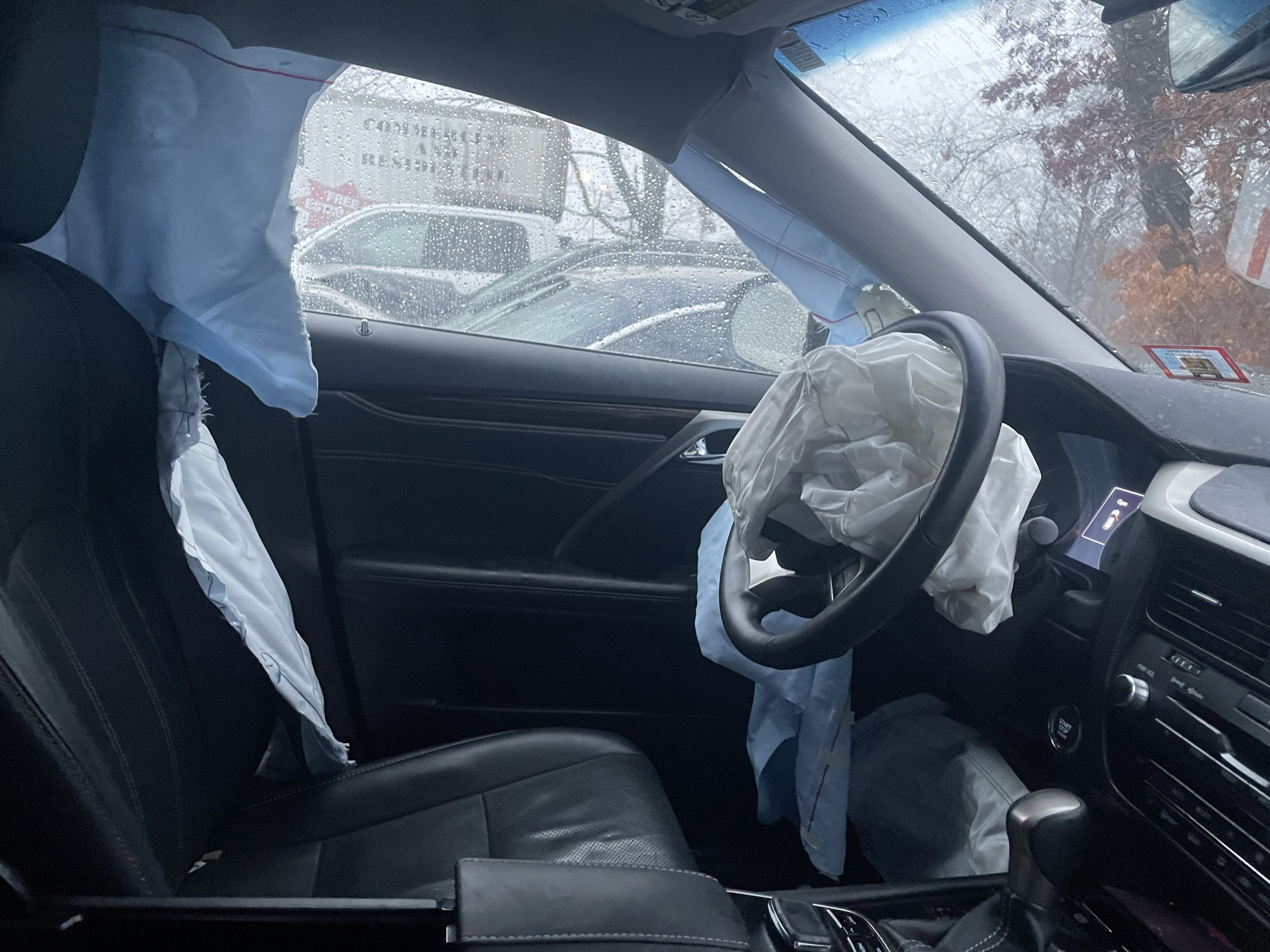
The airbags exploded.
One second earlier, I was driving through a green light. A car from the opposite direction had started turning left. It paused briefly, but then it didn’t. The car accelerated straight toward me. I slammed on the brakes as hard as I could, but it was too late. Physics had already taken over.
BAM!
White fabric burst open in front of me like a slow-motion movie. Airbags filled the car, front and back. Smoke began rising from the gear handle.
My mind raced. My hands shook. My fingers felt strangely disconnected from my body. Even grabbing my phone felt like a difficult task.
I tried to get out of the car, but the door wouldn’t open. The airbags blocked my view of the road. For a few seconds, everything inside me felt frozen.
So I did what I knew how to do; I called my husband, and I called work to cancel my appointments.
After that, I just sat there, staring at the smoke in the cabin, trying to understand what had happened.
Eventually, I managed to squeeze myself out of the car.
When I stepped into the intersection, it felt strangely empty. The other car was gone.
Hit and run.
Those were the only words that came to mind.
I stood there in the middle of the intersection, my car severely damaged, not knowing what to do next.
The Stranger
Then another car approached the intersection and slowed. My car had been blocking the road.
A woman stepped out. She walked towards me.
Then she asked in a calm voice, “Did you call the police?”
“Oh… police… I don’t know how to call the police. I have never done it before. Umm… Can you help me please?”
The words came out of me before I had time to think. In that moment, my brain couldn’t reach something as simple as 911.
She told me she called and that the police were on their way.
Then she asked something gentle.
“Do you want me to wait with you until they arrive?”
“Yes,” I said. “I would very much appreciate that.”
So she stayed until the police arrived. Not having to exchange many words, she simply waited with me. When police arrived, before leaving, she gave me a quick hug. I thanked her. I truly meant it from the bottom of my heart.
Later, the police found the car that had fled the scene. And I came home unhurt.
But when I think back on that morning, the moment that stayed with me the most was not the crash. It was the lady who simply stood beside me.
“ Without saying anything extraordinary, her steady presence signaled something powerful to my nervous system”
What Happened Inside My Nervous System: Amygdala Hijack and Co-Regulation
In moments of sudden shock, our brain’s circuits switch. Psychologists sometimes call this an amygdala hijack.
The thinking mind, the part of the brain responsible for reasoning, planning, and problem-solving, temporarily goes offline. A small structure deep in the brain called the amygdala takes over.
The amygdala acts as the brain’s threat-detection system. When it senses danger, whether physical or emotional, it rapidly activates the body’s survival response.
This system evolved long before the modern thinking brain and is shared across many animal species. Its primary job is simple: Survive.
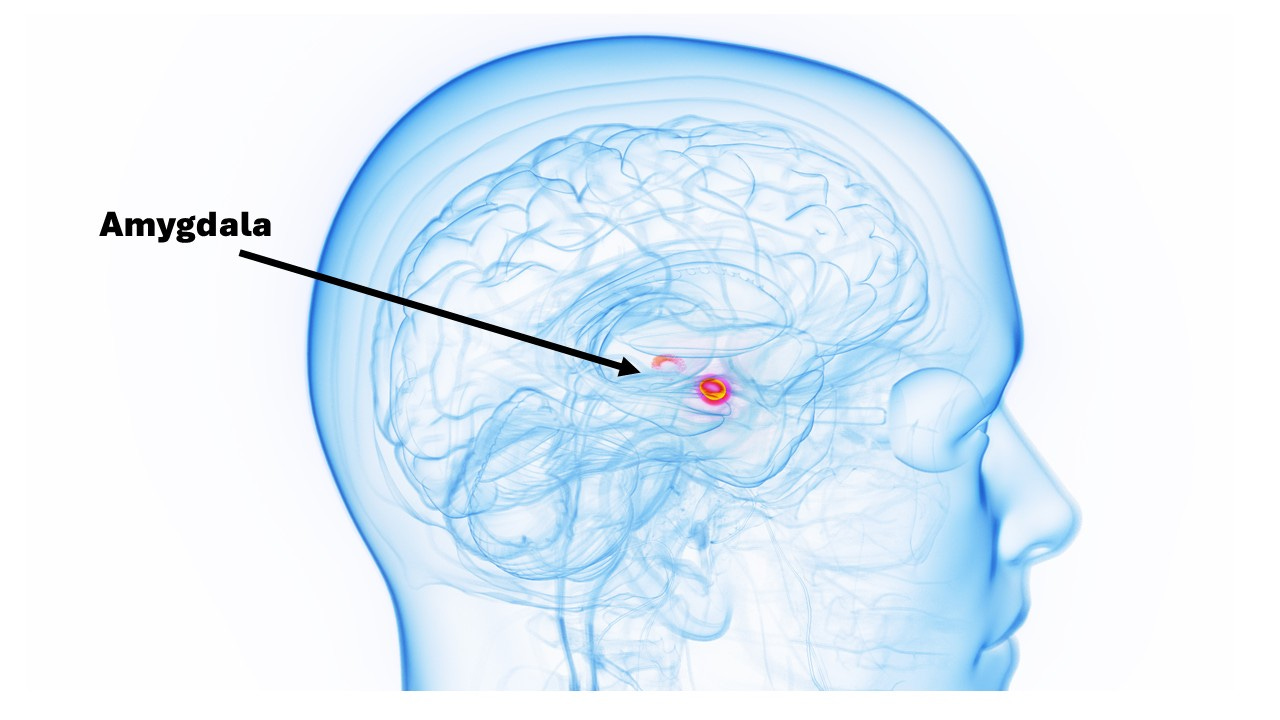
When the amygdala is activated, the body shifts into fight, flight, or freeze mode. The nervous system mobilizes the entire body toward survival.
Heart rate increases.
Muscles tense.
Hands may shake.
Thinking can become foggy or paralyzed.
That was exactly what happened to me that morning.
My mind raced. My hands shook. My fingers felt strangely disconnected from my body. Even grabbing my phone felt difficult.
I called my husband—safety.
I called work—routine.
But something as simple as dialing 911 never crossed my mind. It wasn’t a response my brain had practiced before, and in that moment my nervous system wasn’t prepared to learn a new step, no matter how simple it might have been.
“In moments of sudden shock, our brain’s circuits switch. Psychologists sometimes call this an amygdala hijack.”
Co-Regulation
Then the woman stepped out of her car and calmly stood beside me. Without saying anything extraordinary, her steady presence signaled something powerful to my nervous system:
I am not alone.
I am safe now.
Psychologists call this co-regulation. It occurs when one calm nervous system helps another nervous system settle after stress.
Human beings are wired for this kind of connection. From infancy onward, we learn to regulate stress and emotions in the presence of others.
A steady voice, a reassuring presence, or simply someone staying nearby can help the nervous system gradually return to balance.
“Our nervous systems are not wired to face crisis alone. They are designed to recover in connection with others.”
What This Means for All of Us
Independence feels powerful when life is predictable.
But moments of crisis are unpredictable.
When they happen, our logical brain may not be able to manage everything alone.
Understanding how our nervous system works can help us respond with greater awareness and compassion for ourselves.
Recognizing an amygdala hijack can help us take the next important step, whether triggered by a car accident, the loss of a job, the illness of a loved one, or any overwhelming life events.
Instead of struggling alone, we can reach toward another human being.
Sometimes what our nervous system needs most is not a perfect solution.
It is a calm presence of another person.
What You Can Do in a Crisis
If you ever find yourself in a moment of sudden shock or crisis, a few simple steps may help support your nervous system.
These are tools you can use at work, at home, or anywhere life throws the unexpected: whether it’s a heated argument, a sudden job loss, or any other unexpected life events.
1. Recognize the amygdala hijack
If your mind feels scattered, frozen, or unable to think clearly, your nervous system may have shifted into survival mode.
Naming it can help:
“My nervous system is in survival mode right now.”
This awareness can begin to send signals of safety back to the body.
2. Seek immediate support.
Your loved ones may not always be immediately available. Look for someone nearby who can help. Even a stranger.
Most people will not ignore someone clearly in distress. Another calm person can help your nervous system co-regulate and gradually settle.
3. Allow quiet time.
Human presence itself helps regulate the nervous system. Knowing someone else is there makes it easier for the body to calm down.
Say little.
Breathe deeply.
Allow your nervous system to settle.
We Are in Control…Until We Aren’t
We often think of strength as independence: handling problems alone. staying in control, and managing everything ourselves.
But moments of crisis reveal something deeper about how our nervous systems are wired.
Our nervous systems are not wired to face crisis alone.
They are designed to recover in connection with others.
With someone to notice, pause and stay.
Knowing how your nervous system reacts in a crisis (an amygdala hijack) and allowing others to help (co-regulation) can help you navigate overwhelming moments with clarity when you need it most.